Sharing the Harvest: Part 1
Published 1:30 am Thursday, November 20, 2025
Food Insecurity
By Elizabeth Graeme (assisted by “mom” Athena Graeme)
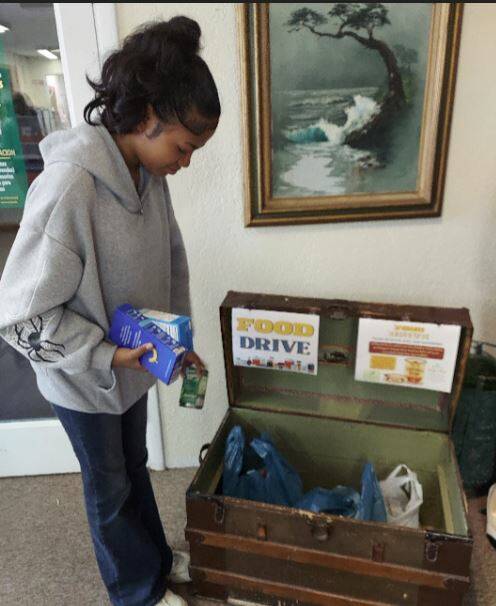
This Thanksgiving season, our community has truly shown the meaning of gratitude and giving. Neighbors, local groups, and generous businesses have joined forces to make sure no one is left behind at the table. With food prices rising and SNAP benefits uncertain, many families are feeling the strain more than ever before — but instead of turning away, our community has stepped up. From volunteers packing food boxes to families quietly dropping off groceries at a friend’s door, kindness has become the flavor of the season, reminding us all what it really means to give thanks. So, I’ve decided to do a two-part series all about what food insecurity is and how our community handles it.
What exactly is “food insecurity”? It doesn’t mean someone is “starving,” it means that a person doesn’t have a reliable source of food. There isn’t a certain or stable supply available to them. Our federal and state government provides several programs to help address food insecurity, programs like SNAP, WIC and NSLB/SBP (free school lunch).
What is SNAP? Supplemental Nutrition Assistance Program (or food stamps) is a program that provides assistance to low-income people who meet certain requirements. 11% of families in Clallam County receive SNAP benefits. It’s issued through an EBT card that can be used at grocery stores, farmers’ markets, and some on-line retailers. SNAP can only be used for food items. SNAP cards can also be used to get discounts at certain places or for services like: job training, GED test fees, energy assistance, public transportation, gym memberships, and museums. SNAP users can download certain apps like “Propel,” or go to websites like “Museums for ALL,” to track places where they can get these extra benefits.
What is WIC? Women, Infants, and Children (WIC) is a program that provides nutritional assistance to low-income pregnant, postpartum, and breastfeeding women, as well as infants and children up to age 5. About 2,000 people in our county qualify for WIC assistance each year. WIC is issued as an EBT card to be used to purchase special healthy foods like milk, baby formula, and vegetables. WIC also provides nutrition education.
If you think you may qualify for SNAP or WIC, you can apply at the Forks Social & Health Services Department on Spartan Ave.
What is the National School Lunch Program (NSLP) & School Breakfast Program (SBP)? This, combined with local state laws, provides free lunches and breakfasts to all students in Quillayute Valley School District public schools for ALL children, regardless of income. In addition, some meals over summer break are also provided through the USDA Summer Food Service Program (SFSP). Families don’t need to show proof of income, address, or citizenship. Kids can simply show up at a designated meal site.
If you are having trouble getting to a food resource, you can call the organization to make arrangements in some circumstances. Bus service in Clallam County is also FREE, you can go to clallamtransit.com for transit training if you are new to the local bus service. Even if you don’t live near a bus stop, they may still be able to pick you up through one of their alternate services.
If you need help finding food assistance, you can go to hungerfreewa.org to find additional resources. A lot of help right here in our community is available, but sometimes, it’s still not enough. That’s where our community heroes step in to fill those gaps! Next week I’ll be spotlighting these local heroes in their fight to end food insecurity in Part 2 of “Sharing the Harvest”! Keep an eye out for “Forks Residents” and “What’s Really Going on in Forks” Facebook pages where I will be posting my interviews.