“Camas: Queen of the Root Clime,” by Dr. Fred Sharpe
Published 1:30 am Thursday, January 2, 2025
Thursday, January 9, 2025
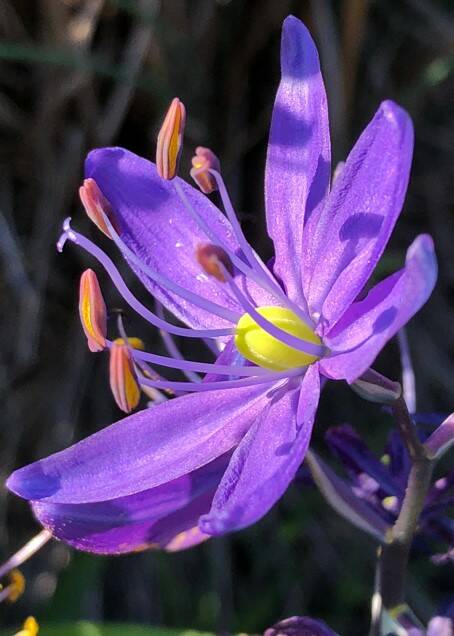
For millennia, native North American peoples gathered wild foods during their seasonal rounds. Prairies and oak savannas were especially bountiful, providing a bounty of game, berries, seeds, acorns, fiber, medicines, dyes, perfumes, adhesives and flavorings. Bulbs, tubers and rhizomes were especially valued, providing carbohydrates, sweeteners and vitamins. One of the most important bulbs among western tribes was the camas. This “queen root” was abundant on many prairies, providing a staple used as a carbohydrate and sweetener. The restoration of camas and prairies honors Indigenous culture and provides habitat for birds, mammals and wild pollinators.
Find out more about this beneficial, versatile plant and join Dr. Fred Sharpe of Olympic Peninsula Prairies for the Green Thumb Education Series presentation “Camas: The Queen Root of Salish Prairies,” Thursday, Jan. 9 from 1 p.m. – 2 p.m. at St. Andrews Episcopal Church, 510 E. Park Avenue in Port Angeles.
Fred studied undergraduate botany at the University of Washington and received his PhD in Animal Behavior from Simon Fraser University. He is a naturalist in the classical tradition and enjoys botanizing and conserving native grasslands. He co-authored and illustrated Wild Plants of the San Juan Island and Birding in the San Juan Islands. When not wandering local prairies, he conducts research on humpback whales in southeast Alaska.
The Green Thumb Education Series, sponsored by the Washington State University Clallam County Master Gardeners, is held in person on the second Thursday of each month from January through May, and September through November. Scheduled presentations are subject to change. Visit the WSU Extension Clallam County website calendar at https://extension.wsu.edu/clallam/master-gardener-calendar