OCC celebrates Corrections Appreciation Day
Published 1:30 am Thursday, June 4, 2026
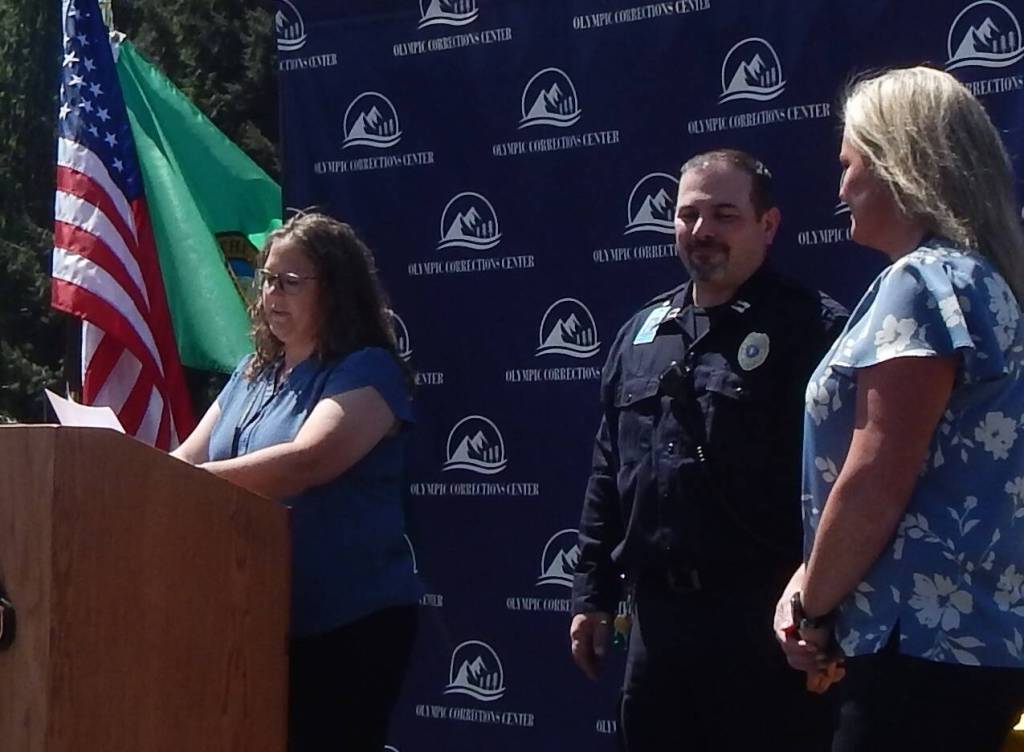

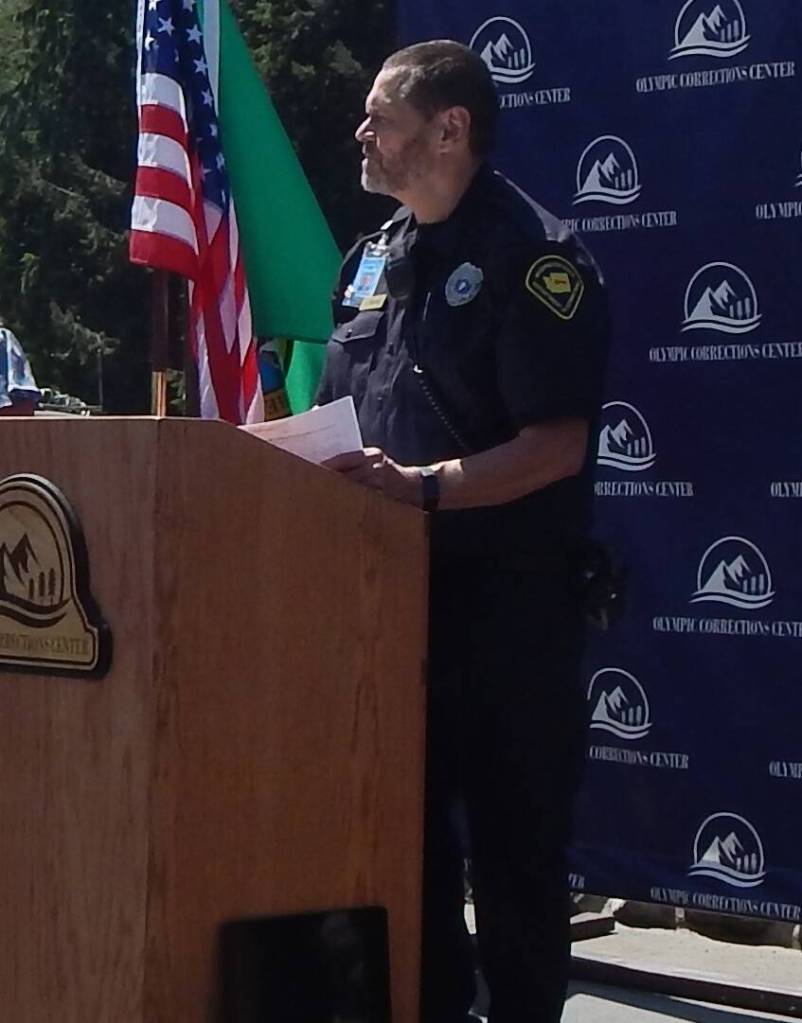
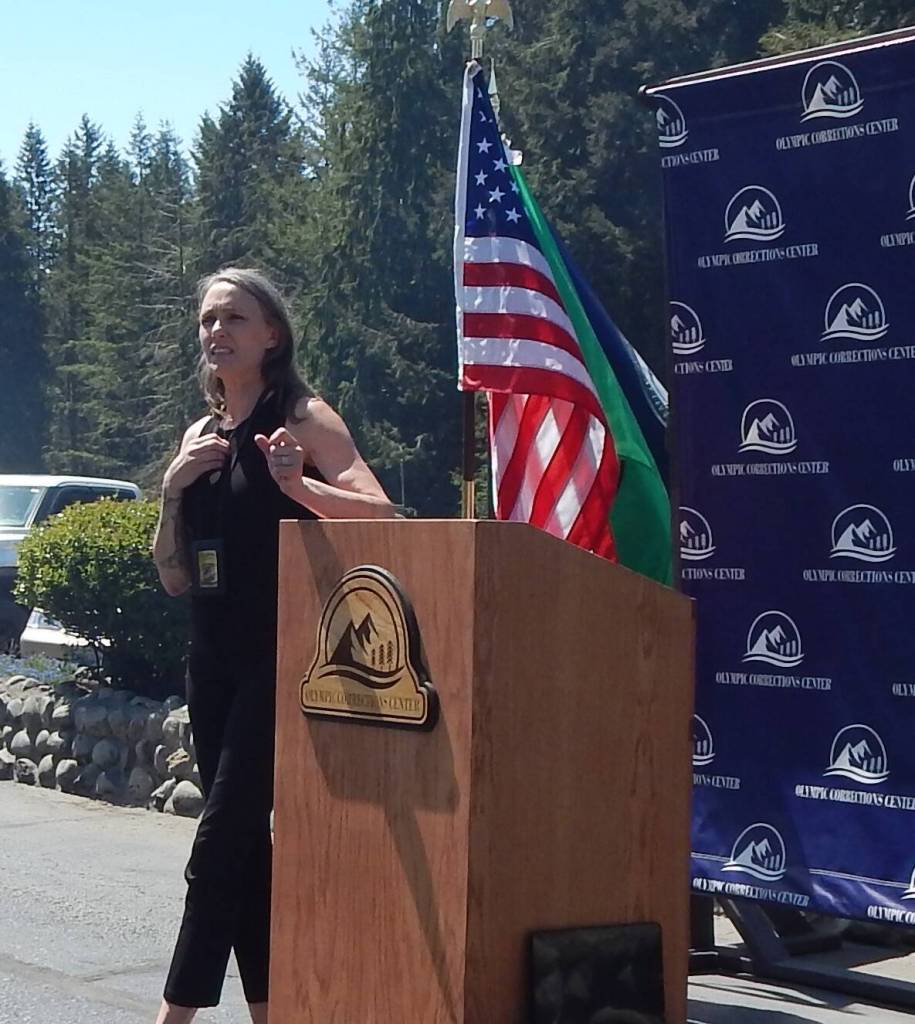







Ginny Burton, founder of the O-UT (Overhaul–Unrelenting Transfiguration) program, was the featured speaker at Olympic Corrections Center’s Corrections Appreciation Day held last Thursday. Burton shared her remarkable journey from addiction and incarceration to becoming a nationally recognized advocate for criminal justice reform and rehabilitation.
Burton told attendees that she was 43 years old at the time of her last arrest and made a life-changing decision to stop using drugs. That decision ended a cycle that had included 17 felony arrests and incarceration in four different prisons. Drawing from those experiences, she has dedicated her life to helping others avoid the same path.
In 2022, Burton presented her vision for O-UT to the Washington Department of Corrections. The program focuses on personal accountability, recovery, life skills, and preparing incarcerated individuals for successful lives after release. O-UT was launched at Olympic Corrections Center in 2024 and has since become a source of encouragement and mentorship for participants. Burton’s message centers on personal responsibility and self-determination.
Fifty-two incarcerated individuals at OCC have completed the program so far, with just one experiencing recidivism.
“I tell them nobody is going to carry your backpack,” Burton said. “I carried my own backpack.”
Burton explained that much of her transformation came from teaching herself the skills and habits she had never learned growing up. As a mother, she said she made a list of what she believed a good mother should do because she had not been raised in that type of home environment.
“I started by making a list of what a mom should do,” she said. “I didn’t know what a mom should be like.”
She credits education and opportunity for helping her rebuild her life. After leaving prison, Burton attended the University of Washington and went on to earn numerous academic honors, including being named a Truman Scholar, one of the nation’s most prestigious scholarships for students pursuing careers in public service. Her work today focuses on helping incarcerated individuals develop the tools needed to succeed upon release, emphasizing that while the Department of Corrections can provide opportunities, lasting change ultimately comes from within.
Through O-UT, Burton now uses the hard lessons of her own life to encourage others to take responsibility for their futures, pursue education, strengthen family relationships, and break the cycle of addiction and incarceration. Her message to participants: change is possible, but each person must do the work themselves.