Remembering Hiroshima and Nagasaki
Published 1:30 am Thursday, August 13, 2026
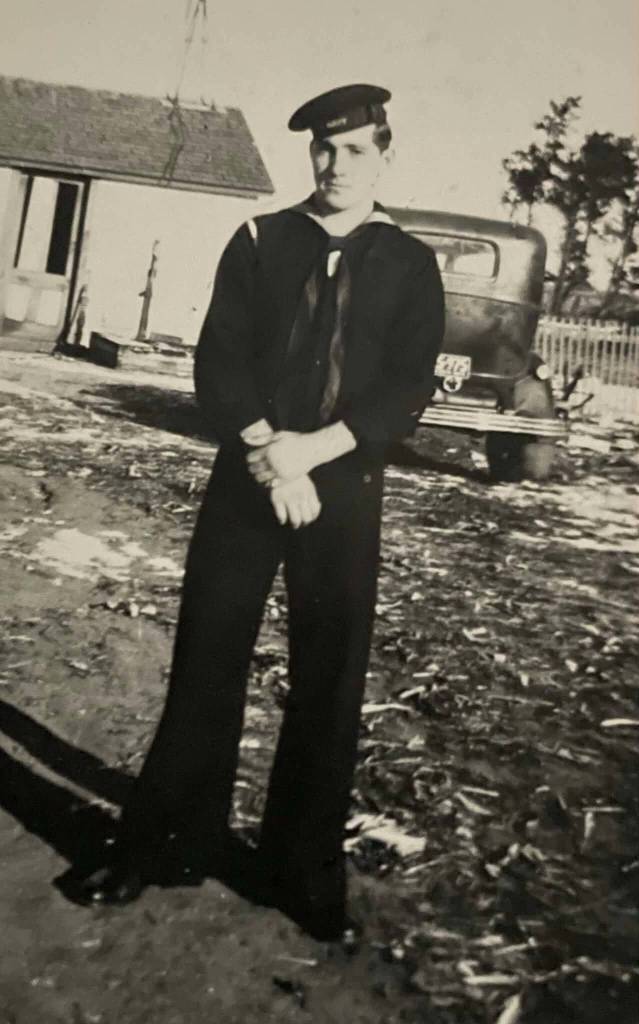
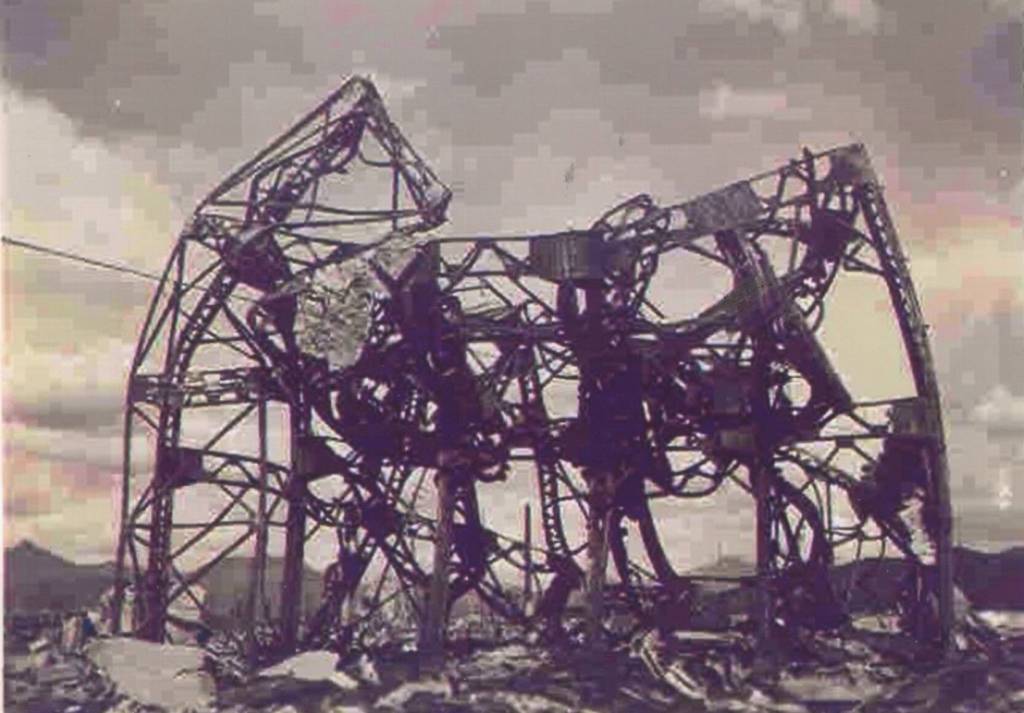
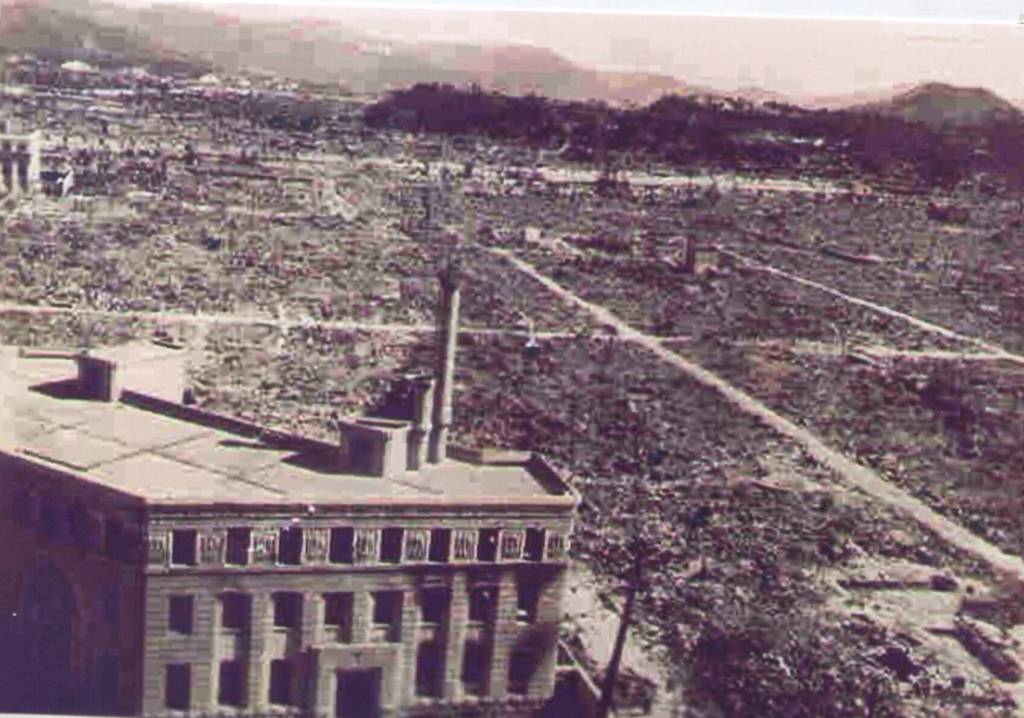
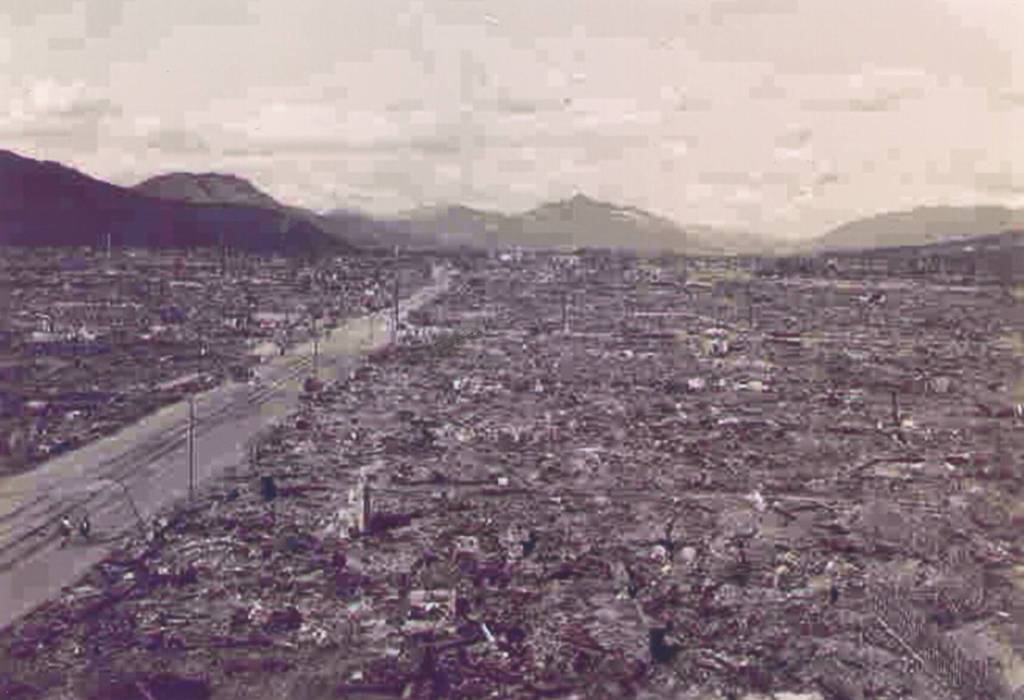
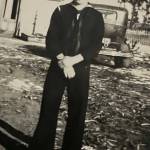
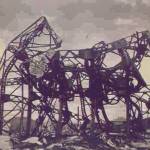
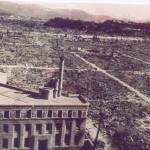
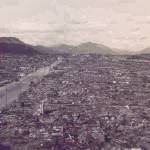
The photographs on this page offer a sobering glimpse into one of the last chapters of World War II, made even more personal because they belonged to Forks resident Jane Schmitz’s father, Bernard Carl who was serving in the military at the time. Carl entered the Navy Sept. 15, 1943 shortly after his 18th birthday, he served until April 20 1946. He was a member of the United States Strategic Bombing Survey from September 1945 until January 1946.
On August 6, 1945, the United States dropped an atomic bomb on Hiroshima; three days later, on August 9, Nagasaki suffered the same fate. By the end of 1945, an estimated 140,000 people had died in Hiroshima and 70,000 to 80,000 in Nagasaki.
This week marks the 81st anniversaries of those bombings. In Hiroshima and Nagasaki, moments of silence are observed at the exact times the bombs detonated, as communities remember those who died and reflect on the continuing dangers of nuclear weapons.
The photographs are difficult to look at, but they are an important piece of history, and a remarkable piece of one local family’s history. Jane’s father was among the servicemen who witnessed the aftermath. Those who entered the devastated cities encountered collapsed buildings, contaminated dust and soil, debris and radioactive fallout, often without knowing the dangers they faced.
Japan announced its surrender on August 15, 1945, bringing World War II to an end. Eighty-one years later, these photographs remind us that history is not always found in textbooks. Sometimes it is preserved in a family album, carried home by a serviceman, and eventually shared with a community so that future generations can see, remember and learn.
After the war Carl worked on the farm in Minnesota then moved to Oregon where he became a mason, and built part of Linfield College in Oregon. He and his wife raised 14 children. About his war experience Jane said, “He would talk about it if you asked him.”